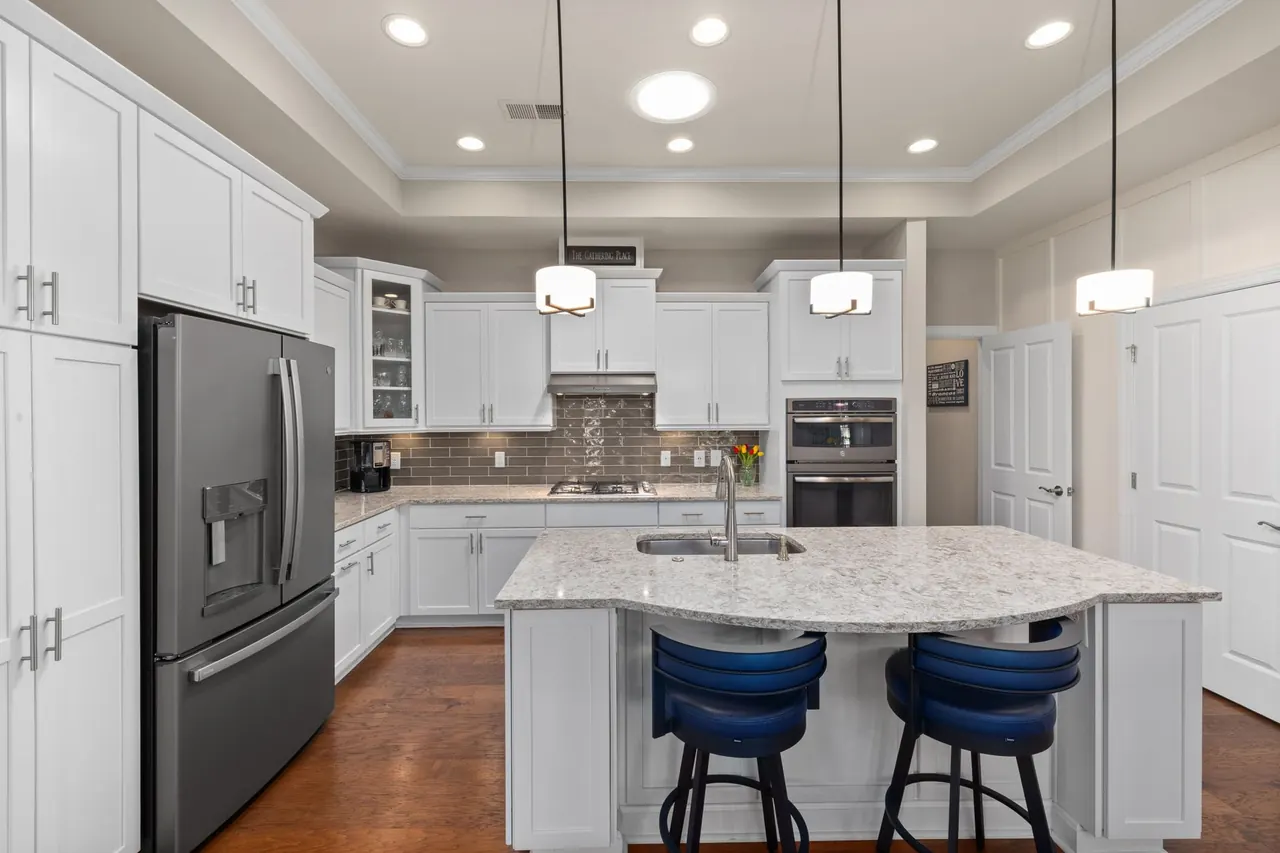
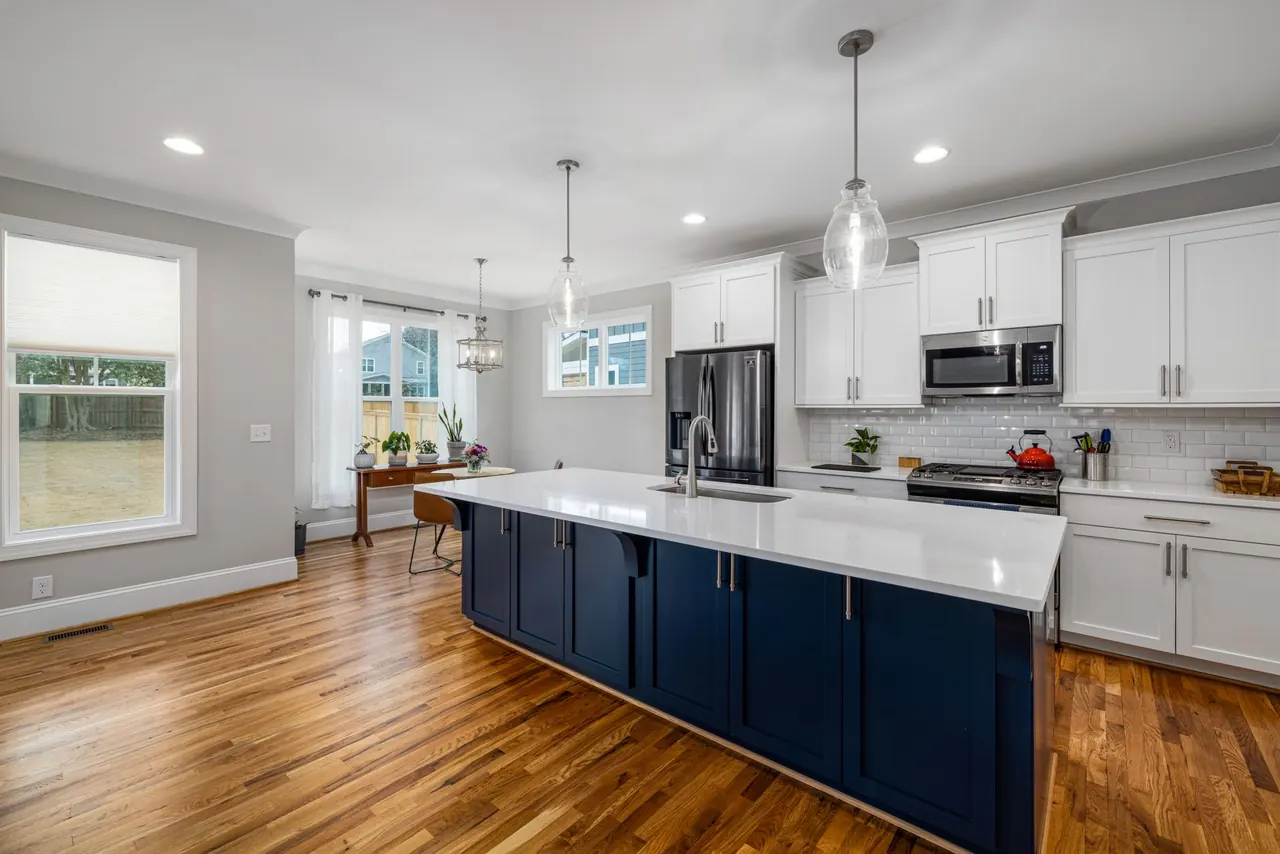
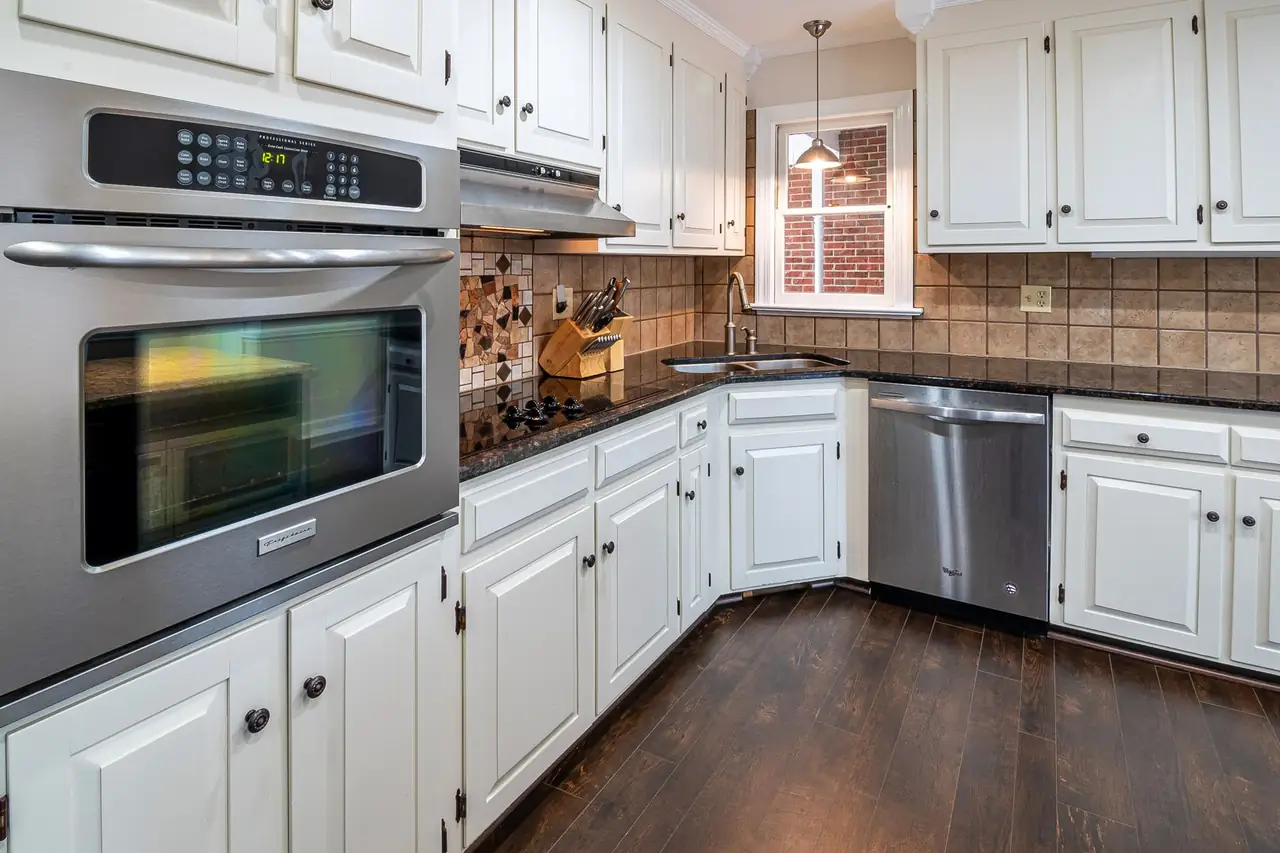
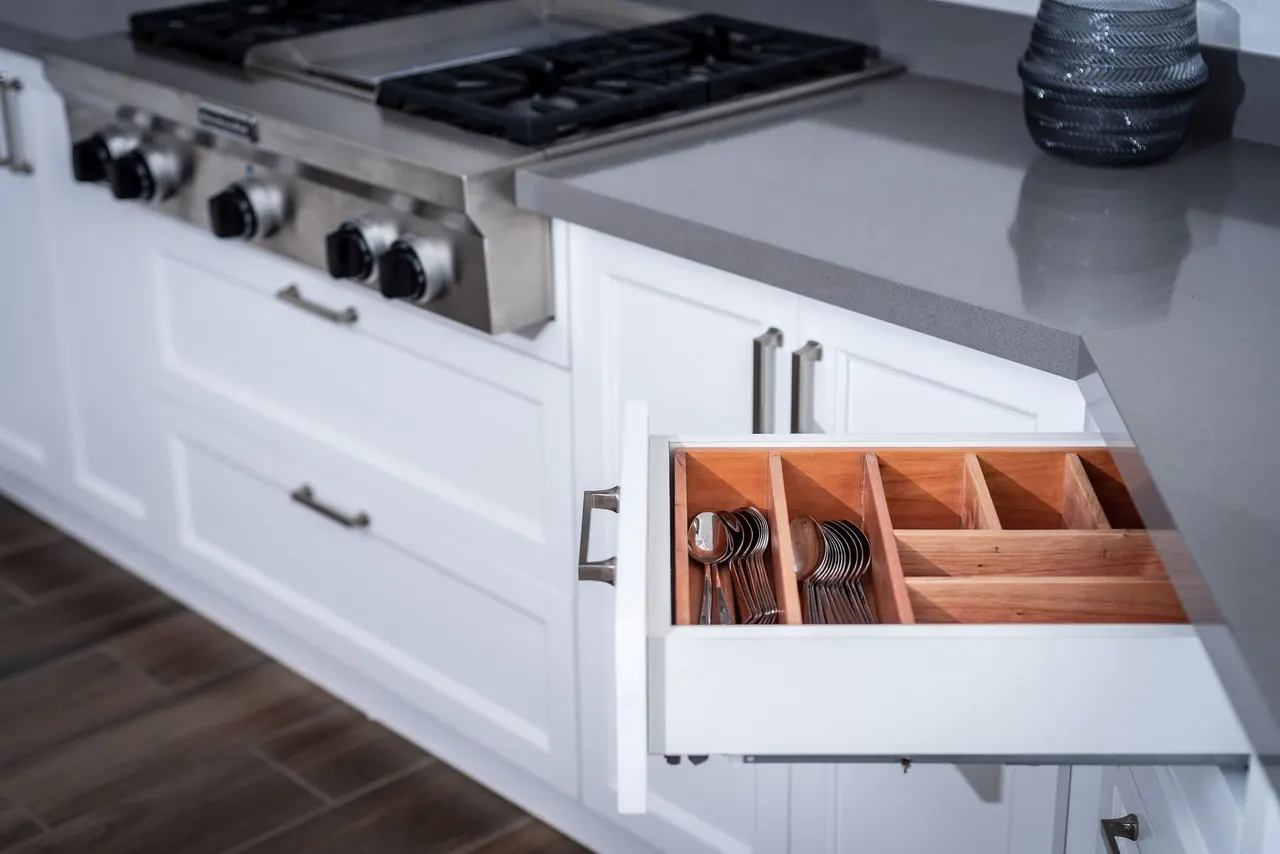
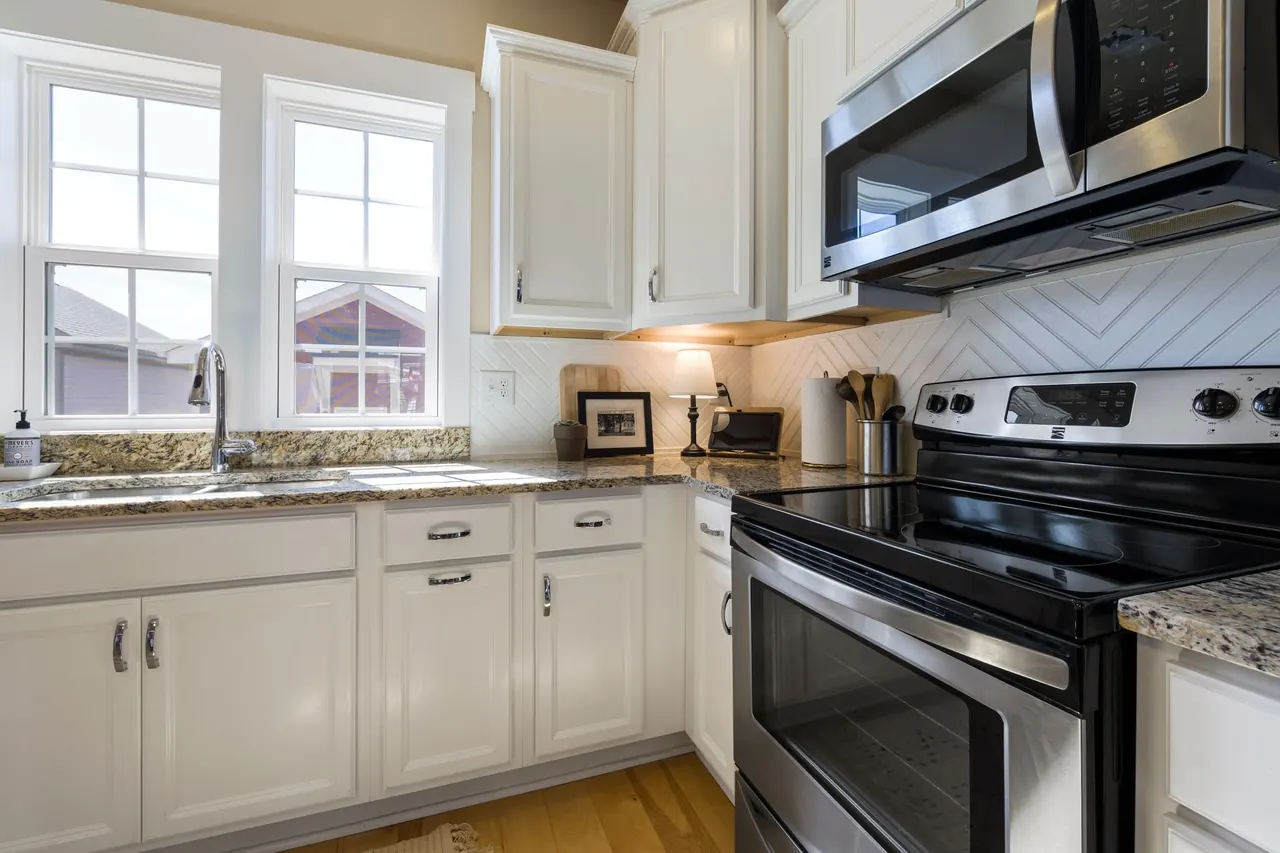
Custom Cabinets in Downtown San Angelo, TX Built to Fit Old Walls

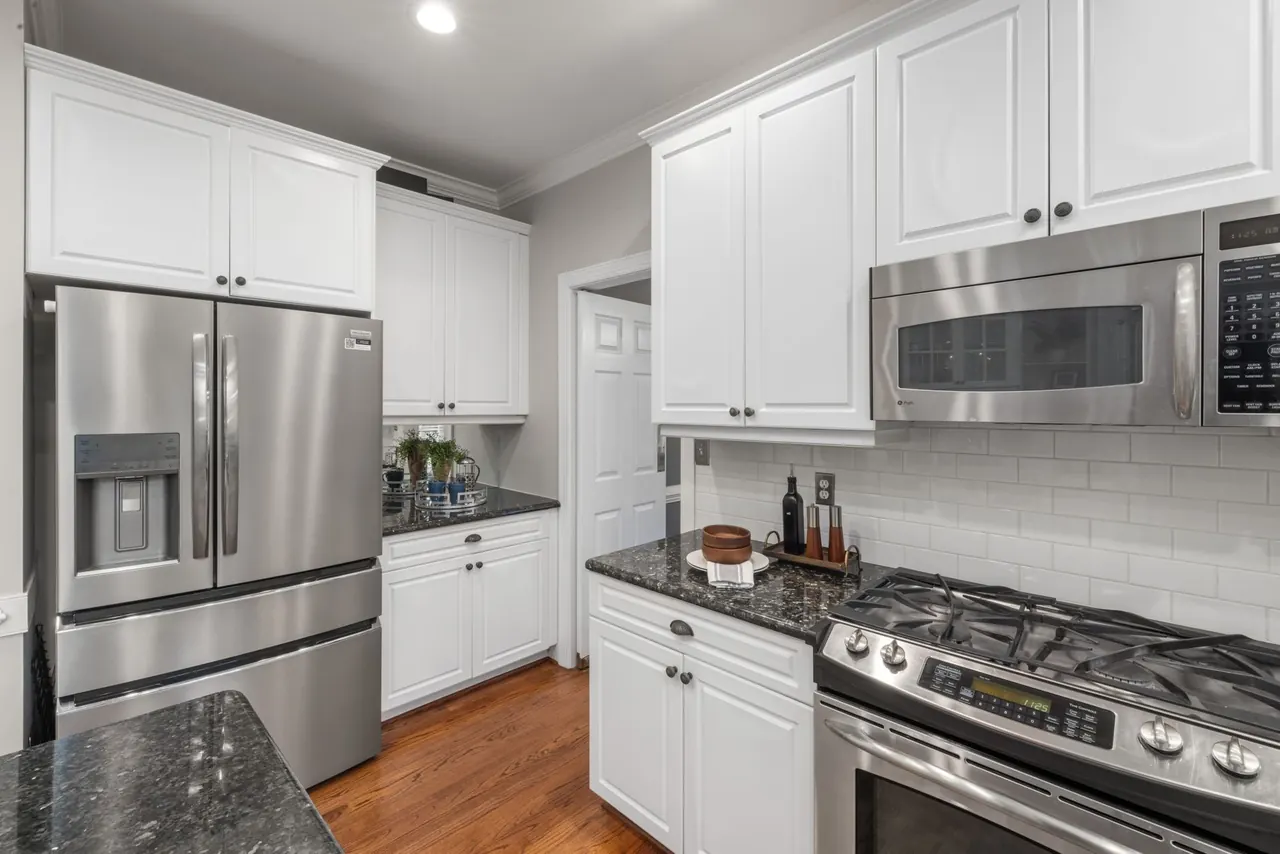
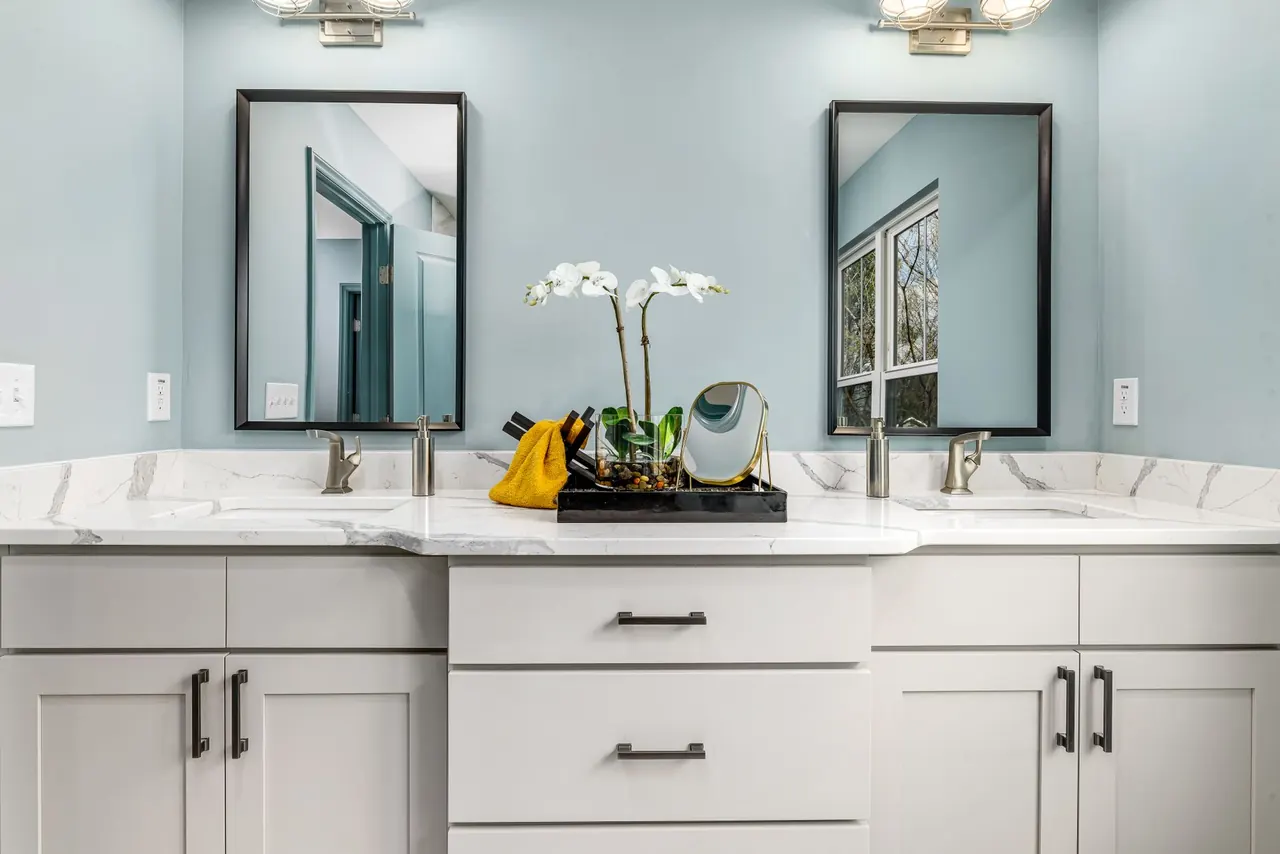
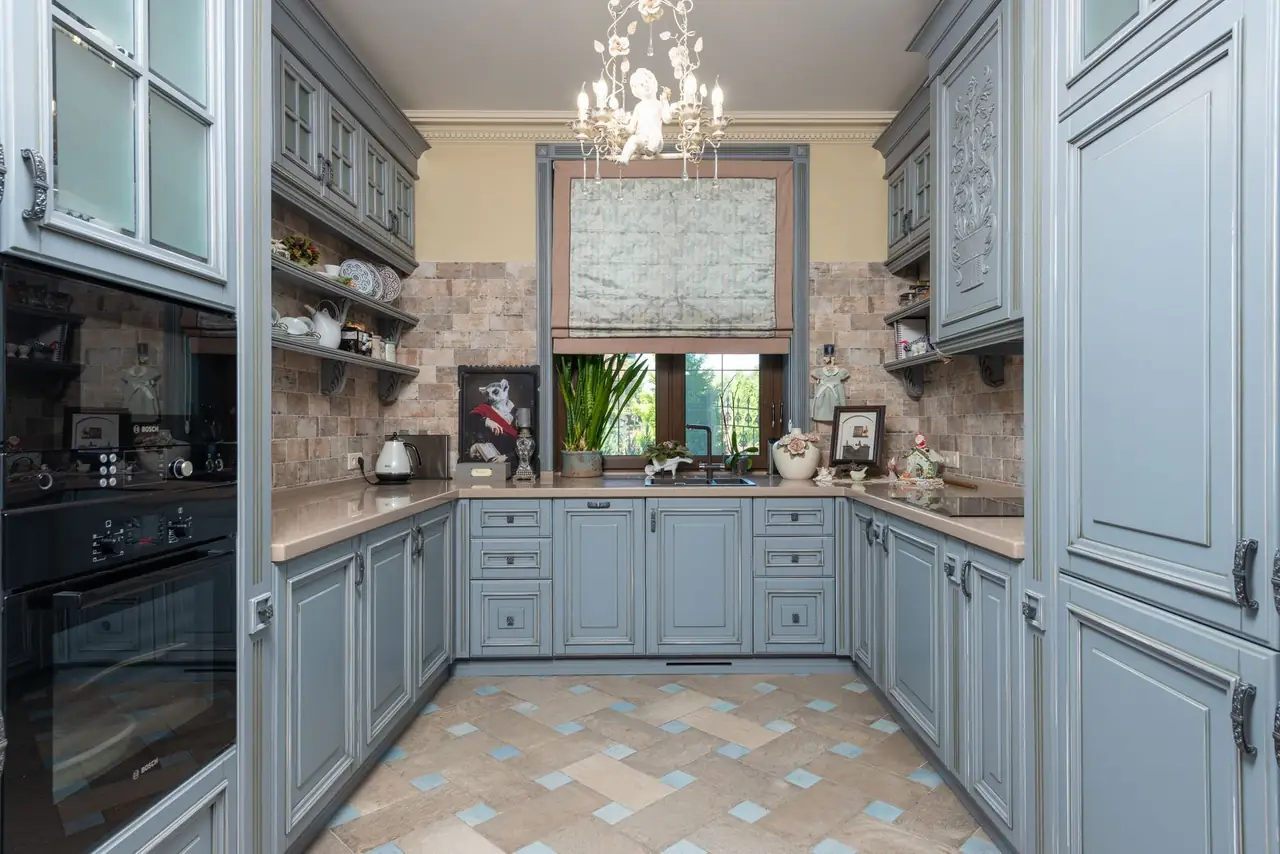
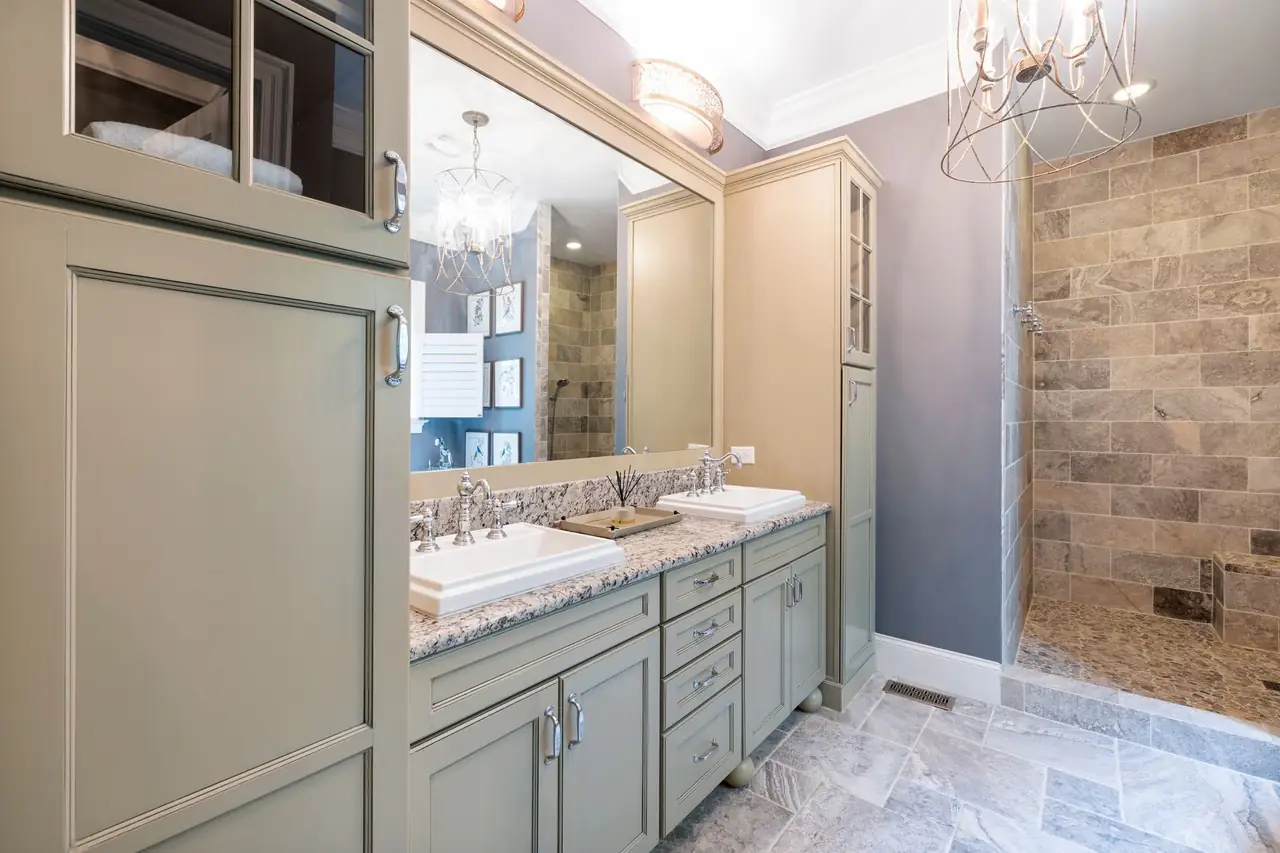
Custom Cabinets in Downtown San Angelo, TX means cabinets cut for walls that were never square. We measure every Historic Downtown kitchen, Cactus Hotel district storefront and Chadbourne Street area home by hand, then build in our shop with plywood boxes, solid hardwood faces and finishes that hold up to Concho River humidity. One crew handles design, build and install.

  • Address111 Paint Rock Rd San Angelo, TX 76903, San Angelo, Texas
  • Phone(325) 229-5320
Custom Cabinets in Downtown San Angelo

Serving Downtown San Angelo and nearby

  • Written scope firstItemized quote before any cutting
  • Template every runReal dimensions, not catalog guesses
  • Shop-sprayed finishDoors finished before they arrive
  • Doors tuned on siteHinges and glides adjusted before handoff

Custom Cabinets in Downtown San Angelo, TX for Old Buildings

Custom Cabinets in Downtown San Angelo, TX is custom cabinetry built on site measurements for homes and businesses inside ZIP 76903. We work the Historic Downtown blocks, the Cactus Hotel district and the Chadbourne Street area every week, and we know what those buildings do to cabinets. Walls run out of plumb by an inch or more. Floors slope. Door openings were cut for 1920s casework, not modern boxes. We measure each run, note the high and low spots, and build to the tightest number so doors close clean. Our shop cuts plywood boxes on a panel saw, shapes face frames on a table saw, and routes door profiles on a router table or CNC machine. We finish with wood stains or paint, and we seal every end grain because Concho River humidity moves wood. If you want the best Custom Cabinets Downtown San Angelo can put in an older home, start with a free measure.

Downtown San Angelo has a building stock you do not find in the newer subdivisions. The Concho River area holds houses from the 1900s through the 1950s with plaster walls, cast iron plumbing and cabinets that were built in place. Downtown revitalization projects keep turning old storefronts into lofts, coffee shops and offices, and every one of those jobs needs casework that fits a building nobody squared up. We serve this area because the work is real cabinetmaking, not box swapping. Humidity off the river, summer heat that swells doors, and winter dry air that shrinks them all show up in the same kitchen. We build for that swing.

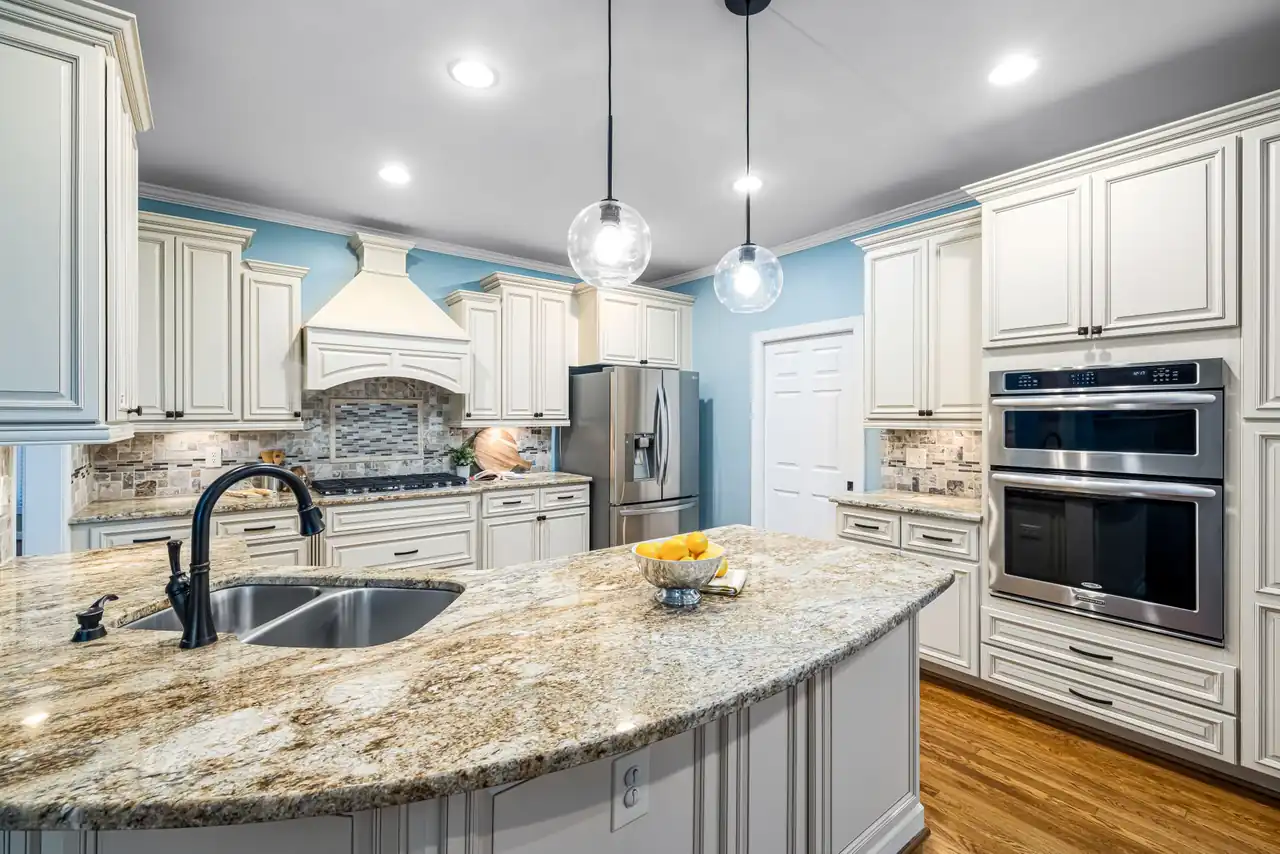
Custom Cabinets Services Available in Downtown San Angelo

Downtown San Angelo cabinet work splits into two piles: old homes that need custom fit and new downtown projects that need clean, durable casework. We handle both from one shop. If you are searching for custom cabinets in Downtown San Angelo TX near me and you live in a 1930s bungalow off the Concho River Walk, we will measure your out-of-square walls and build to them. If you run a Chadbourne Street area business, we build counters and storage that take daily abuse.

How each cabinet service works downtown

Cabinet Installation in Downtown San Angelo

Cabinet Installation in Downtown San Angelo

We measure every wall before a box goes in, because downtown plaster is never straight. Boxes are shimmed and leveled, then anchored into studs. Doors are hung after the box is set so the reveal stays even.

  • Laser level on every run
  • Scribed fillers hide wall gaps
  • Doors hung after anchoring
For homes in Downtown San Angelo

For homes in Downtown San Angelo

We work old houses every week, so we expect plaster, sloped floors and walls that are out of square. Every box is built to your actual room, not a catalog size.

  • Pre-1950 bungalows
  • River-area homes
  • Converted downtown lofts
  • Historic district houses
For businesses in Downtown San Angelo

For businesses in Downtown San Angelo

Downtown storefronts and offices need casework that takes daily use and fits an old building. We build front desks, breakroom storage and compact kitchen units.

  • Chadbourne Street storefronts
  • Downtown offices
  • Coffee shops and cafes
  • Upper-floor apartments

Common Cabinet Problems in Downtown San Angelo

Downtown San Angelo puts cabinets through a specific set of conditions. The Concho River keeps interior humidity higher than the rest of the city. The building stock is old, with plaster walls and floors that have moved. Summer heat and winter dry air swing the other way. Add older plumbing that occasionally leaks, and you get the same four problems on repeat. Here is what we see and how we build around it.

  • Doors sticking due to humidity off the river

    Doors sticking due to humidity off the river

    Solid wood doors absorb moisture in summer and swell. Downtown sits close to the Concho River, so the swing is wider than in dry parts of San Angelo. A door that fits in October can rub by June. We build with plywood boxes and seal end grain on all six sides of every door. Hinges are adjustable, so you can tune the reveal as seasons change. We set doors with a 1/8-inch gap instead of a tight fit.

  • Warping wood in older downtown homes

    Warping wood in older downtown homes

    Homes built before 1950 often have no vapor barrier and single-pane windows. Moisture moves through the walls and into the cabinet frames. Solid wood tops and doors cup when one side takes on more moisture than the other. We finish both faces of every door and panel, not just the show side. On vanities and sink bases we use plywood and seal the cut edges. Where a top is solid wood, we screw it with slotted holes so it can move without splitting.

  • Misaligned doors and drawers after a floor slopes

    Misaligned doors and drawers after a floor slopes

    Old downtown floors settle. A cabinet set level on a sloped floor will rack, and the doors go out of alignment within a year. This is common in the Historic Downtown blocks where pier-and-beam foundations have moved. We level every box with shims and set base cabinets on adjustable legs where the floor is uneven. The box stays square even when the floor is not. Doors are hung after the box is anchored, so alignment is set to the finished install.

  • Water damage and peeling laminate near sinks

    Water damage and peeling laminate near sinks

    Older plumbing in downtown buildings drips at shutoffs and traps. Particleboard and laminate soak it up and swell. By the time you see peeling, the substrate is usually already soft. We inspect under every sink before we build. New boxes are plywood with sealed edges, and we set them on legs so a future leak does not wick into the bottom. If the plumbing is suspect, we flag it before the cabinet goes in.

Signs You Need Custom Cabinets in Downtown San Angelo

Doors that stick by June, shelves that sag, or a soft toe kick all point to the same answer: it is time for a measure.

  • Doors stick every summer

    Wood swells when Concho River humidity climbs, and a door with no reveal will rub the frame by June. Adjustable hinges buy you a season, but a door built with a proper 1/8-inch reveal and sealed end grain solves it. If two or more doors stick, plan on new doors.

  • Shelves sag under canned goods

    Particleboard shelves bow under load, and once they take a set they do not come back. A 3/4-inch plywood shelf on a cleat system holds far more. If your shelf has a visible curve, the box is probably particleboard too.

  • Laminate peeling at the edges

    Peeling laminate means moisture has reached the substrate. In downtown bathrooms and river-area kitchens this spreads fast. Sometimes we can re-glue and trim, but if the substrate is swollen, a new box is the cheaper long-term fix.

  • Soft or dark spot at the toe kick

    A soft toe kick usually means a slow leak or years of floor mopping. Press a screwdriver into it. If it sinks, the box bottom is compromised and the cabinet needs replacing before it racks and pulls away from the wall.

  • Gaps at the wall or ceiling

    Stock cabinets in old downtown homes leave gaps because the walls are not straight. A gap wider than 1/4 inch lets grease and dust collect and looks unfinished. Custom boxes with scribed fillers close that gap for good.

How We Execute Custom Cabinets in Downtown San Angelo

Downtown San Angelo jobs run on tight access and old walls. Chadbourne Street and the side streets off it give us limited parking, so we schedule deliveries early, carry boxes in by hand when a driveway is not there, and protect floors with ram board before anything comes through the door. In Historic Downtown homes we expect plaster, lath and shimmed framing. We check for water damage around sinks and under windows before we set a box, because a soft floor will rack a cabinet within a year. Summer heat and Concho River humidity push interior moisture up, so we leave a 1/8-inch reveal on doors and seal all end grain. Every install is leveled, shimmed and anchored into studs, not drywall. If you need affordable custom cabinets Downtown San Angelo TX without cutting corners on the boxes, this is how we get there.

  • Out-of-square walls in pre-1950 homes

    Standard cabinet boxes leave gaps at the wall and doors that rub. A run can be out an inch over eight feet, which no factory filler strip hides cleanly. We measure the wall at three heights and build the box to the tightest point. Face frames get scribed on site, and filler strips are cut to match the wall angle. Doors are hung after the box is set, so the reveal stays even.

  • Concho River humidity swelling wood doors

    Doors that fit in October can stick by June. Solid wood moves with moisture, and downtown sits close to the river, so the swing is wider than in dry parts of town. We use plywood boxes for stability, seal end grain on every door and drawer, and finish all six sides. We set doors with a 1/8-inch reveal and use adjustable hinges so you can tune the fit as seasons change.

  • Limited parking and narrow entry on downtown blocks

    A 10-foot cabinet run will not fit through a 30-inch door in one piece. Deliveries on Chadbourne Street can block traffic if we are not quick. We build in modules sized to your doorways and stair turns. Deliveries are scheduled early, we unload by hand when needed, and we stage in the room we are working in so hallways stay clear.

  • KCMA certification standards for cabinet construction

    KCMA testing covers drawer and door cycle life, load capacity and finish adhesion. We build to those benchmarks so a downtown kitchen holds up to daily use, not just the showroom.

  • CARB compliance for composite wood products

    Plywood and MDF we buy carry CARB-compliant labels. That matters in downtown lofts and offices where the same air gets recycled, and it keeps your job clean on inspection.

  • OSHA safety standards on remodel sites

    Downtown jobs often have occupants living or working in the building. We follow OSHA rules on dust control, tool guarding and ladder use, and we clean the site at the end of each day.

Downtown San Angelo Landmarks We Navigate

Downtown San Angelo is easy to work once you know the landmarks. We route by the San Angelo Museum of Fine Arts when we are heading to the river side of downtown, and by San Angelo City Hall when we are working the civic blocks. The Cactus Hotel is our north marker for the historic district, and the Concho River Walk tells us which side of the river the job sits on. Those four points keep us oriented when a street sign is missing or a one-way sends us around the block.

  • San Angelo Museum of Fine Arts

    The museum sits near the Concho River on the north edge of downtown. We use it as the turn point when routing to river-area homes and lofts, since several streets near it change direction at the river.

  • Cactus Hotel

    The Cactus Hotel anchors the historic district and gives us a fixed north reference. Jobs described as near the Cactus Hotel are usually in the converted commercial blocks, where loading access matters more than parking.

  • Concho River Walk

    The river walk marks the north boundary of our downtown service area. When a customer says they are near the river walk, we know to check for humidity-related cabinet issues and to plan for pedestrian traffic on deliveries.

  • San Angelo City Hall

    City Hall sits in the civic core and helps us place jobs on the south and east sides of downtown. It is also a useful reference for permit and inspection questions on commercial build-outs.

  • Chadbourne Street corridor

    Chadbourne Street is the main commercial spine through downtown, with storefronts, offices and apartments above. Casework here ranges from front-desk counters to compact kitchen units in upper-floor apartments.

  • Historic Downtown commercial blocks

    The historic commercial blocks hold converted retail spaces, restaurants and lofts. Tall ceilings, exposed brick and irregular floor plans mean most cabinet work is built to the room rather than to a standard size.

  • Downtown Chadbourne Street corridor

    The Chadbourne Street corridor is the main north-south route through downtown. We use it for deliveries and plan around morning traffic and limited curb space.

  • Concho River crossings

    The river crossings connect downtown to the north side of San Angelo. They set our route when a job sits on the river side of downtown and we are coming from the shop.

Downtown San Angelo Neighborhoods We Serve

Our downtown coverage runs from the river south to the railroad and east to the Chadbourne Street corridor. These four areas make up most of our downtown work, and each one has its own cabinet problems. We know which blocks have plaster, which have been gutted, and where the floors slope.

  • Historic Downtown
  • Concho River area
  • Cactus Hotel district
  • Chadbourne Street area

Local Case Studies and Results

  • Historic Downtown

    Before

    A 1920s bungalow in Historic Downtown had a kitchen wall out of plumb by 1.25 inches over eight feet. Stock cabinets left a visible gap and two doors rubbed the frame.

    After

    We measured the wall at three heights, built the base run to the tightest point, and scribed the face frame on site. End grain was sealed on all doors, and we set adjustable hinges so the reveal stays even as humidity changes. Doors close with one finger and the wall gap is gone. The homeowner gained a 24-inch pantry tower in the same footprint.

  • Cactus Hotel district

    Before

    A converted loft near the Cactus Hotel district needed a kitchen island that could also seat four. The floor sloped half an inch across the room and the entry door was only 30 inches wide.

    After

    We built the island in three modules sized to the doorway, then assembled and leveled it in place with adjustable legs. The top got a 12-inch overhang for stools and an outlet inside the end panel. The island seats four, the top is level within 1/16 inch, and the modules went through the door without removing the frame.

  • Concho River area

    Before

    A river-area bathroom vanity had water damage at the toe kick and a peeling laminate top. The floor sloped toward the drain and the old box had started to rack.

    After

    We replaced the vanity with a plywood box on adjustable legs, sealed all end grain, and set a new top with a backsplash. The sink cutout was measured to the existing bowl so no plumbing changes were needed. No movement after a full humid summer, and the drawers still glide clean. The customer added a matching linen tower.

How Seasons Affect Cabinets in Downtown San Angelo

  • Spring

    Rain and rising river humidity swell doors and drawer fronts. Doors that were fine in February start to rub by April. Paint and finish take longer to cure when the air is wet. Check your door reveals in March. If they are tight, adjust the hinges before the wet season sets in. This is also a good time to book a measure for a summer install.

  • Summer

    Heat pulls moisture out of wood during the day while the river keeps the air heavy. Doors can cup and drawer slides can drag. This is the season when humidity damage shows up first. Run your kitchen exhaust and keep the AC set steady. Big day-night temperature swings move wood more than steady heat. If a door sticks, do not force it. Call us and we will adjust the hinge.

  • Fall

    Humidity drops and wood stabilizes. This is the best window for installs, painting and refinishing because finishes cure evenly and doors hang true. Our schedule fills fast in October and November. Book your fall install by early September. If you are refinishing, fall gives the best cure. We can measure now and build through the fall for a winter or spring install.

  • Winter

    Dry air shrinks doors and opens up gaps at the joints. You may see a hairline crack at a stile or a door that no longer covers the opening. This is normal wood movement, not a defect. Do not caulk a shrinking joint. It will push out when the wood swells in spring. Note which doors show gaps and call us in February. A hinge adjustment usually fixes it.

Nearby Cities and Service Coverage

What to Ask Before Hiring a Cabinet Maker

Downtown San Angelo cabinet jobs go wrong for predictable reasons. Somebody bid off a photo instead of a measure. Somebody used particleboard in a bathroom. Somebody subbed the install to a crew that had never worked a plaster wall. Ask these five questions before you sign, and you will separate a real cabinet shop from a reseller.

  • Will you measure my walls before you quote?

    A quote based on a photo or a rough dimension will change once the boxes arrive. Downtown walls are rarely square. A shop that measures first is a shop that builds to your room, not to a catalog number.

  • What are the boxes made of?

    Plywood holds screws and resists moisture. Particleboard swells and crumbles once water reaches it. In a downtown bathroom or river-area kitchen, the box material matters more than the door style you pick.

  • Do you seal the end grain?

    End grain soaks up moisture faster than any other surface. Sealing it is the difference between a door that lasts and a door that swells and sticks every summer. Ask how they finish all six sides.

  • Who does the install, your crew or a sub?

    The install decides whether the cabinet fits the wall. A shop that sends its own crew can fix a scribe or a shim on the spot. A sub who shows up with the wrong filler strips will leave you with gaps.

  • What is the lead time and the payment schedule?

    Custom cabinets take weeks, not days. A clear lead time and a payment schedule tied to milestones protect you. Be wary of a shop that wants most of the money before the boxes are built.

Custom Cabinets in Downtown San Angelo, TX: FAQs

Still wondering? (325) 229-5320

Local service team

Get Custom Cabinets in Downtown San Angelo, TX

We measure your walls, build in our shop, and install with our own crew. That is how a downtown kitchen ends up with doors that close clean and drawers that glide after a humid summer. Call (325) 229-5320 and we will set a measure window for your Downtown San Angelo address. Free estimate, no pressure, and a straight answer on whether you need new boxes or just new doors.

Call for a Cabinet Measure

Call (325) 229-5320 or send a note and we will set a time to measure your kitchen, bath, closet or office. Shop hours are Monday through Friday, 8:00 to 18:00, and most measures get scheduled within a few days. Bring photos and rough dimensions if you have them, and we will talk through door styles, materials and finish options on site.